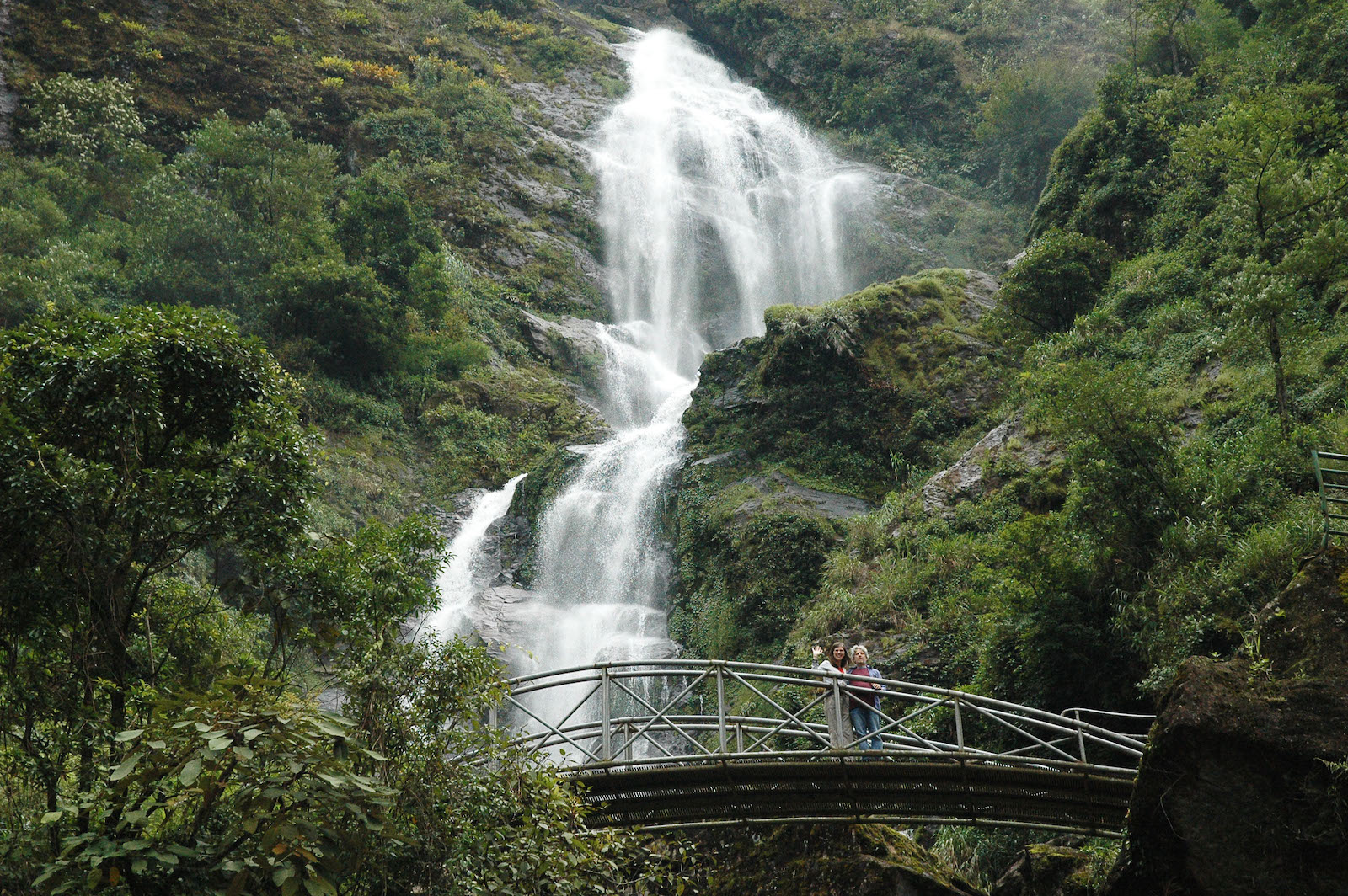
Sapa is a small ethnic village, 350 km north of Hanoi, near the Chinese border. Sapa is known for having breathtaking views of a valley with rice field fields that can be seen on sunny days, with mountains towering on all sides from above. The view of this epic landscape is often tempered by dense fog that rolls over the tops, but even when it is cloudy, the local hill tribes fill the city with color.
7 reasons to visit Sapa
Your trip to Sapa will be worthy exploring. This is reasons:
Make a trekking through the green rice terraces of the Muong Hoa Valley.
Learn more about the culture and traditions of the local hill tribes.
Climb or take the cable car to the highest mountain in Indochina: Fansipan – roof of Indochina
Explore the area by motorbike and drive over Vietnam’s highest pass: Tram Ton Pass.
Visit a local colorful market and enjoy unique local food.
Driving through hills and see overview of valleys.
Join adventure activities with local guides.
 More tips
 Itinerary
 How to get around
 How to get there
 Food & Drinking
 Best hotels & Hostels
 15 best things to do
 Practical information
 Best time to visit
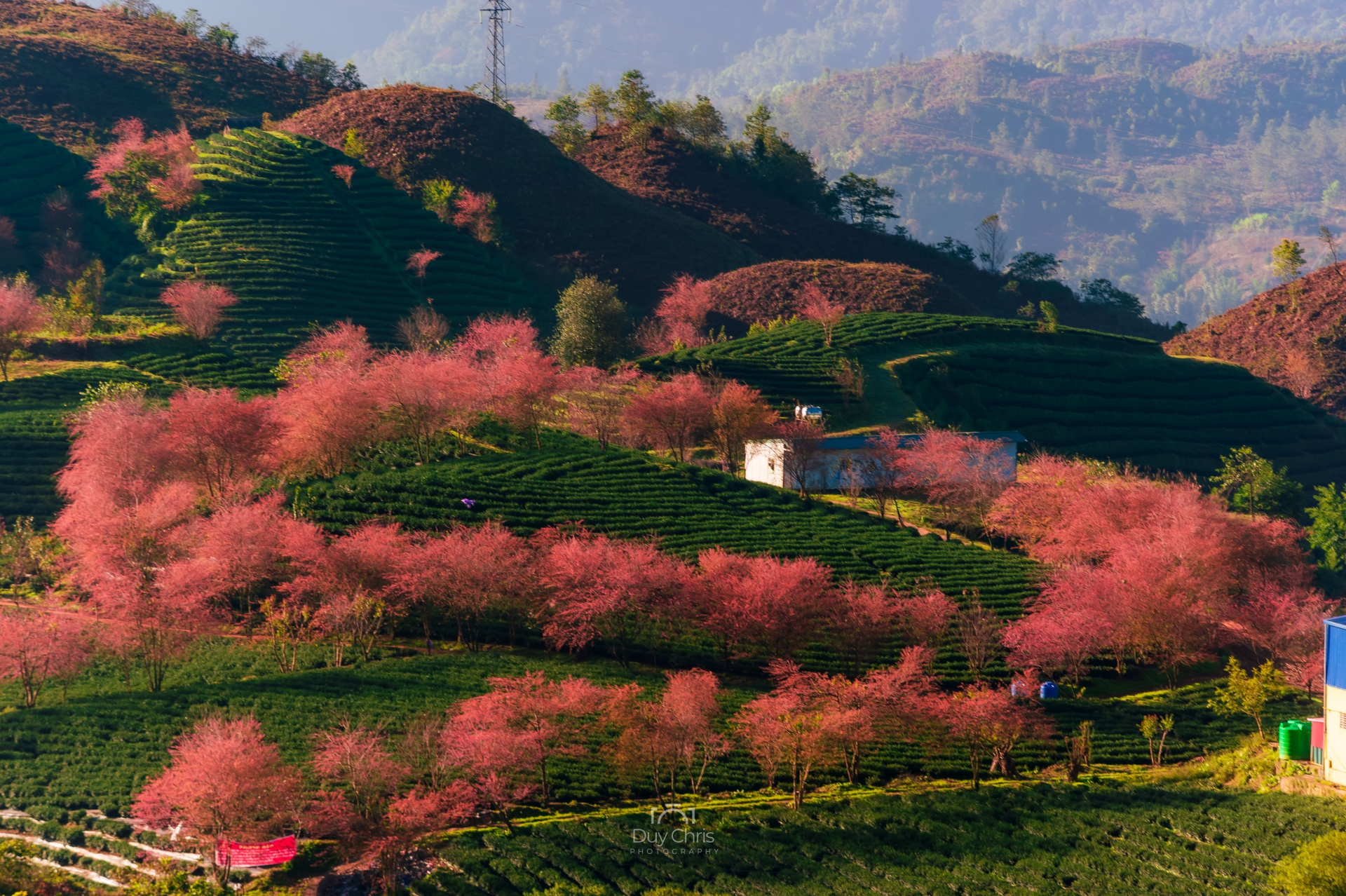
Sapa in spring
Spring, which lasts from February to May, is the most suitable time to visit Sapa. Coming to Sapa this time, you will have a chance to admire blossom flowers at every corner of Sapa, from hillsides, valleys, mountain slopes to the road in the town. You can catch up with the peach blossom, azalea, pure, delicate white plum blossom, colorful climbing roses, etc.
Besides, you can join many unique festivals of ethnic minorities in Sapa at this time. They include the Hmong people’s “Gau Tao” festival, the Giay people’s Roong Pooc festival, etc. Each of the festivals represents a unique cultural activity of the Sapa people. Also, the early spring markets like Sapa market, Can Cau Simacai market, Bac Ha market, Coc Ly market will definitely bring you memorable experiences.
From March to May, it’s time for you to admire the immense terraced fields with the green rice seed and farmers cultivating rice. These idyllic images are incredibly familiar in Sapa at this time. Thanks to the magnificent mountainous landscape under the hazy fog and the cozy weather climate, spring is indeed an ideal time to visit Sapa and join hiking, trekking, mountain climbing, and explore Fansipan mountain.
Sapa in summer
Sapa’s summer is from June to August. At this time, Sapa is filled with the green color of the forest and the growing rice terraces. Under the mild weather, it is perfect to trek through the villages and appreciate majestic limestone mountains, the wild and pristine beauty of the forest, and winding streams along the villages.
Not only in spring, but you can also visit Sapa’s local markets in summer. Bac Ha Market, Muong Hum Market, Coc Ly Market are some of them. Coming to these markets, you can buy many products, such as brocade, poultry, cattle, etc.
Coming to Sapa in summer, you will also have a chance to enjoy delicious fresh fruits such as peach, red plum, purple plum, Chinese bayberry, etc. Trying fruits right in the garden will be one of the unforgettable experiences in Sapa.
Sapa in autumn
Autumn, which lasts from September to November, is the best time to visit Sapa. Let’s see how wonderful Sapa in autumn is!
Ripe golden rice fields
Sapa is one of the famous destinations for admiring the ripe golden terrace rice fields. Trekking through the village, you will catch up with yellow fields surrounded by magnificent mountains. Ta Van, Lao Chai, Ban Den, and Ta Phin, are some best villages to see the ripe golden terrace fields and farmers harvesting after a hard time plowing.
Morning dew
In the early morning, you can see Sapa covered by the morning dew, making the scenery become shimmering and peaceful. Walking under the autumn’s early frost and admiring magnificent scenery is one of the best ways to enjoy the idyllic life in Sapa.
Exciting Then ritual
The Then ritual is one of the essential rituals of Sapa local people held in the August of the lunar calendar. Sapa local people hold it to summarize a year of production, pray for favorable weather, wish for a good crop, and express sincerity to ancestors. Visiting Sapa this time, you will have the chance to immerse yourself in the crowded atmosphere of local people.
Sapa in winter
Although Sapa in winter is not as glistening as in spring, winter is still a favorable time to visit Sapa. The winter in Sapa starts in December and ends in February the following year. In winter, Sapa is floating in clouds, mist and sometimes, the town is covered with snow.
Coming to Sapa in winter, you should not miss visiting Fansipan Mountain, Cat Cat Village, Ham Rong Mountain, Sapa Stone Church, etc. These spots are extremely charming under the winter’s climate, especially when it snows.
Under the cold weather climate, you can still catch up with the vibrant pace of life in Sapa. You can find many stalls selling brocade, shoes, souvenirs, etc. Also, you will see White H’mong woman in a colorful patterned outfit with a basket on her back, a Dao woman with a red scarf on her head.
In conclusion, no matter which season you travel to Sapa, you can still enjoy majestic scenery, exciting activities. As long as you choose, everytime is the best time to visit Sapa. Let’s arrange your time and have your own experience in this charming destination!
10 best things to do in Sapa
This town and the area around it has been very developed over the years, so there are many things to do in Sapa. You can choose to do
1. Trekking
Some of the best things to do in Sapa can be combined in one highlight and that is a trekking in Sapa! You can choose to do a half-day, full-day or multi-day trek where you spend the night in a homestay. It is the best way to see the rice fields and get in touch with the local minorities.
2. View the terraced rice fields
The main reason for most travelers to visit this mountain town are the stunning Sapa rice fields. It is for a reason that it is considered one of the most beautiful landscapes in Vietnam. These impressive terraced fields are spread all over the Muong Hoa valley from the bottom all the way to the top of the mountains.
The locals grow rice here and settle around the rice fields, often at the foot of the mountains. The rice terraces look like straight out of a travel brochure. It is best to discover them by a trekking tour, but you can also drive around by car or motorbike.
3. Visit minority villages
The second reason to visit Sapa is the unique culture of the mountain tribes. These ethnic minorities live in the mountains and live from the land for many generations. There are different kind of minority groups to be found in this area, including the HMong, the Dao, the Tày and Giay.
Each group has their own language, traditional clothing and culture. The best way to discover this unique culture is by visiting the local villages outside of Sapa. Walk around the village to discover their daily life and unique way of living in the mountains.
Again, the best way is to do this by trekking tour, but you can also drive by car or motorbike.
4. Stay overnight in a homestay
Complete your unique local minority adventure by staying in a homestay. There are several homestay in Sapa and in the villages around it. The most unique experience is of course spending the night in a house of a local hill tribe. The accommodation is often basic and lacks comfort, but the experience is great!
In the evening you can enjoy a family dinner. End your day with a delicious traditional herbal bath or drink rice wine with the family. It will be an experience you will never forget.
The best thing is to combine a homestay overnight stay with a multi-day trek. For example, if you go hiking for two days you will spend the night in a local homestay and the day after you continue walking, going far off the beaten track.
5. Visit a local market
One of the other best things to do in Sapa is visit a mountain market. There are several market in Sapa and beyond that you can visit. These markets are used by the local hill tribes to trade their locally grown food. But you will find much more here.
Think of clothing, pieces of cloth, brocade, jewelry and even telephones and chargers. One of the most fascinating parts of the market is the livestock section. Here you can see traders checking every part of the animal before making a trade.
It is an incredibly unique experience to visit an ethnic minority market. The colors of all the traditional clothing, the animals and the crowds make it seem like chaos. But this chaos is surprisingly cozy with a good atmosphere.
The most popular market around Sapa is the Bac Ha market (held every Sunday), but there are many other markets you can visit.
6. Fansipan mountain
Fansipan is the highest mountain in Vietnam and for that reason also quite literally the biggest highlight. In the past, you could only get to the top by climbing for 2 or 3 days. And although this is still possible, today there is a cable car that takes you from the cable car station in Sapa to the top of Fansipan in 15 minutes.
A number of temples and pagodas that you can visit have now also been built around the top of the mountain. On clear days you have a great view of the mountains in the area.
7. Tram Ton Pass
Next to Fansipan and on the other side of Sapa you will find the highest mountain pass in Vietnam. Enjoy a trip by car or motorcycle on the Tram Ton pass with panoramic views. At the top there is a viewpoint where you should definitely stop.
Many travelers return directly to Sapa at the top of the mountain pass, but if you have more time, continue all the way to Lai Chau. Along the way you will have many more views of some of the most impressive mountains in this country.
8. Waterfalls
Combine a drive over the Tram Ton Pass with a visit to some local waterfall in Sapa and along the same road as the pass. The Silver Waterfall is right next to the road. To get to the Silver Waterfall you have to hike for 30 minutes, but for that reason a lot less visited and special.
9. Sapa by (motor)bike tour
An alternative to trekking in Sapa, you can also take a motorbike or mountain bike to explore the landscapes. Riding a mountain bike is diffidently exciting and enjoyable at the same time.
A motorbike can bring you a lot further than hiking, giving you the opportunity to go even more off the beaten track and away from the crowds in Sapa. There are some scenic roads, but if you are not confident in driving or not a lot of experienced, it is best to go on the back of a motorbike with a local guide.
10. Explore Sapa town
As all the best things to do in Sapa are actually outside Sapa, but you can still choose to wander around this town. Even though it lost its cozy picturesque feeling, there are some sights you can visit.
It the city center you find an old stone church and the local market. The market can be fun to visit in the weekend, when it is getting quite busy with local minorities. There is also a museum you can visit about the different ethnic groups. Finally, you can also walk around the lake or enjoy the view of the city on Ham Ruong Mountain.
There is no flight from Hanoi to Sapa
There are daily bus departing Hanoi at 6:30am or 10:00pm. One way trip takes betwen 6 and 7:00 hours.
Traveling by bus is both fast and it goes direct to Sapa without stopping in Lao Cai as by train. If you take a private car ride, you can even reach Sapa in 5 hours. More information about bus schedules and booking can be found here https://th.webi.vn/
Traveling by train takes about 8-9 hours and the train only stops in Lao Cai, the province which Sapa belongs to. It then takes another hour to get to Sapa from Lao Cai station.
There are a number of tourists train operating the route from Hanoi. Each of these companies run a carriage which are all attached to the national train carrier. It is suggested that you book your ticket in advance, especially during peak time of the week such as Hanoi to Lao Cai on Thursday and Friday; Lao Cai to Hanoi on Sunday and Monday. This is normally due to the weekend retreat of local tourists, and also on Sunday there is a special market fair in Bac Ha which attracts many visitors.
* Train often departs at between 8:00pm and 10:00pm, and you can catch a good sleep before getting woked up by the beautiful mountain sceneray at dawn.
* There are also day trains which are not as comfortable as night train. It also takes longer time to travel as it makes more stops.
* Ticket for night train is $35-180/person/way (the most expensive one is Victoria express which is exclusively for in-house guests)
* Ticket for day train is $10-20/person/way
Traveling around Sapa is a breeze if you know the transportation options. There are several ways to get from point A to point B in this charming mountain town. Whether you’re looking for an adventure or a relaxing ride, you can find it here.
Public buses are the most popular option among tourists and locals alike due to their low cost and ease of use. They offer frequent service throughout the area and provide convenient stops at all major attractions. You can also rent bikes or cars if you want more flexibility with your sightseeing plans. Bike rental shops are located near many tourist destinations and car rental services are available both online and offline.
Day 1: Ha Noi – Sapa – Cat Cat Village (L, D)
6:30 – 7:00: Pick up from your hotel in Hanoi Old Quarter to departure for Sapa by new highway express. You will enjoy and admire mountain view road.
9:30: Follow the highway to Lao Cai city with the first comfort break
11:00: Second comfort break at Lao Cai city before approaching Sapa
13:00: Arrive Sapa Town with colorful traditional costumes of H’mong, Dzao, Tay ethnic People. Welcome drink and itinerary briefing
Enjoy the lunch with local Vietnamese dishes, check-in the hotel.
In the afternoon: You will start your walking to Cat Cat village occupied by the Black H’mong tribe. You will experience the tribal way of life while enjoying wonderful views of the terraced rice paddy fields and the waterfall in Cat Cat. After the walk, you will be back to the hotel in Sapa. Dinner is service at the restaurant at the hotel. After having dinner, you will have free time to explore or shopping at night Market in Sapa. You will spend the night in the hotel in Sapa.
Note : If you go to Sapa at the weekend you will have an opportunity to visit Sapa Love Market open on Saturday and Sunday night.
Day 2: Sapa – Ham Rong Mountain – Sapa MarKet – Ha Noi (B, L)
7:00 – 7:45: After having breakfast, check out your hotel.
8:00: Our tour guide will pick you up for walking up to Ham Rong Mountain with elevator steps. Ham Rong Mountain, which is situated in the center of Sapa town, is a remarkable tourist attraction. Shaped like a dragon’s head in the clouds, Ham Rong Mountain is nearly 2000 meters high with green trees and colorful flowers almost all year round. Most tourists visiting Sapa do the exciting climb up to the mountain. Recently, this tourist site has been upgraded, in which there will be traditional art performance show for tourists when visiting Ham Rong. The path leading up to Ham Rong Mountain consists of many stone steps and a winding trail higher up will help to see small streams lazily run through bushy foliages. About mid¬way, visitors will find themselves in an orchid -garden with more than 400 species of colorful blooms. Standing on the highest point of Ham Rong Mountain, tourists will have a breathtaking view over the romantic Sapa town.
11:30 – 12:00: Come back the hotel for lunch, free time to relax, visit or shopping at Sapa Market.
14:50: Meet all group members at hotel to get ready for Hanoi.
15:00: Get on bus back to Hanoi with two comfort breaks.
22:15: Drop you off at your hotel.
End the tour!
Have a great tour with Asian Discovery Travel!
To have more details, please contact here